This Nov. 14–17, ObesityWeek 2026 will bring together key thought leaders and more than 5,000 professionals to explore cutting-edge basic and clinical research, state-of-the-art treatment and prevention strategies, the latest advancements in advocacy and public policy, and real-world insights.
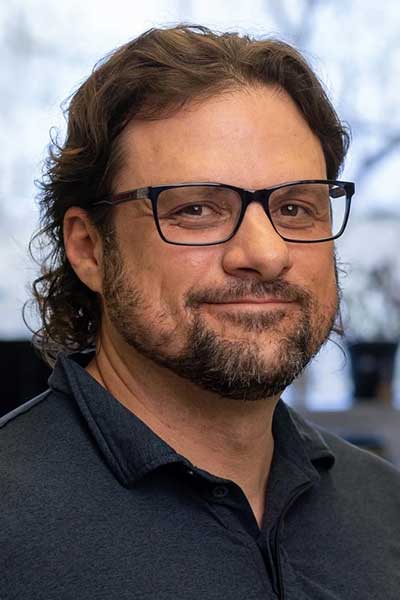
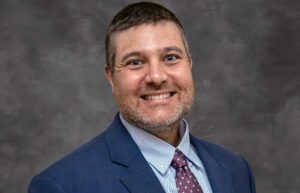
John Thyfault, PhD, FTOS
“ObesityWeek is the premier meeting for obesity science because it provides a strong core of impactful content for all areas of our field,” said John Thyfault, PhD, FTOS, the ObesityWeek 2026 program planning committee chair.
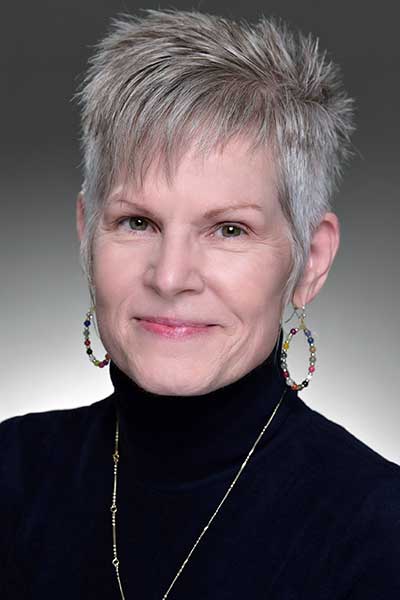
“The conference brings together all perspectives within obesity medicine to develop solutions that will improve the health of those living with obesity,” added Hollie Raynor, PhD, RD, LDN, the program planning committee co-chair.
A Program That Goes Beyond GLP-1s
Several of the ObesityWeek 2026 sessions reflect the transformative impact of glucagon-like peptide-1 [GLP-1] therapies.
For example, an engaging symposium on Nov. 15 brings together a panel of experts to consider the data as well as clinical, ethical, and societal questions of whether metabolically healthy children and adults should use GLP-1-based therapies.
But obesity science continues to be more than one therapy, and ObesityWeek reflects a comprehensive approach to research, treatment, and care.
“Of course, the GLP-1 drugs are a great tool, but it is important to go beyond these drugs and realize we still have to work on other aspects for long-term health,” said Dr. Thyfault, professor of cell biology and physiology at the University of Kansas Medical Center and co-director of the Kansas Center for Metabolism and Obesity Research. “Our programming presents themes of research, clinical practice, policies, and psychological and physiological changes in all areas of obesity science that improve people’s opportunities for a long span of high-quality life.”
Our programming presents themes of research, clinical practice, policies, and psychological and physiological changes in all areas of obesity science that improve people’s opportunities for a long span of high-quality life.
—John Thyfault, PhD, FTOS
At the core of this robust programming are six distinct scientific programming tracks: Metabolism and Integrative Physiology, Neuroscience, Interventional and Clinical Studies, Population Health, Clinical and Professional Practice, and Policy and Public Health. Attendees can filter the full program listing to search for symposia and other events specific to one or more tracks.
Dr. Raynor noted that programming for each track has been developed by leading experts, ensuring that attendees will find vital presentations within and beyond their primary fields.
“Being able to attend sessions in other tracks is extremely helpful,” said Dr. Raynor, a professor in the Department of Nutrition and the executive associate dean of research and operations in the College of Education, Health, and Human Sciences at the University of Tennessee, Knoxville. “For example, when a basic researcher attends a session on applied research, this improves their understanding of how to develop research questions that will more easily translate into clinical application. And this works in the opposite direction as well.”
In the program listing, TOS member attendees also can find details for their section meetings—ideal forums to forge cross-institutional connections—and discover volunteer opportunities that can enrich careers and professional service.
Spotlight on Pediatrics and Key Lectures
Hollie Raynor, PhD, RD, LDN
This year, the ObesityWeek programming includes two exciting elements: a robust focus on pediatrics and a dialogue with leaders of obesity science and therapy through the Key Lecture series.
“The key lecturers will spark a lot of conversations in the conference hallways because these speakers have creative minds that challenge us to think about where we’re at as a science, what all the new emerging data mean, and the direction that emerging research and clinical practice is taking us,” Dr. Thyfault said.
The Place To Be
One of the biggest benefits of being at this conference is the ability to develop collaborations.
—Hollie Raynor, PhD, RD, LDN
“One of the biggest benefits of being at this conference is the ability to develop collaborations,” Dr. Raynor said. “A session presentation might spark an idea within you, and you will have the opportunity—right at that moment—to discuss it and make a connection with a potential future collaborator.”
While the scientific programming remains at the core of the conference, all four conference days include networking opportunities to facilitate conversations and exchanges of ideas.
“I think it’s important to leave yourself some time to network with people one-on-one or in small groups at ObesityWeek,” Dr. Thyfault said. “There’s no other meeting like ObesityWeek where you encounter such a full program of science, and the more we get out of our comfort zone and interact with others, the more we learn from one another about what a complicated disease obesity is. This type of knowledge-sharing can lead to new ideas or an exchange of critical details about a study or area of science that hasn’t yet been shared in a forum or on a stage.”
View the full ObesityWeek conference program at obesityweek.org. Symposium, plenary, Key Lecture, and oral session recordings will be available as part of ObesityWeek OnDemand beginning late January 2027. Purchase ObesityWeek OnDemand through conference registration by Nov. 17.