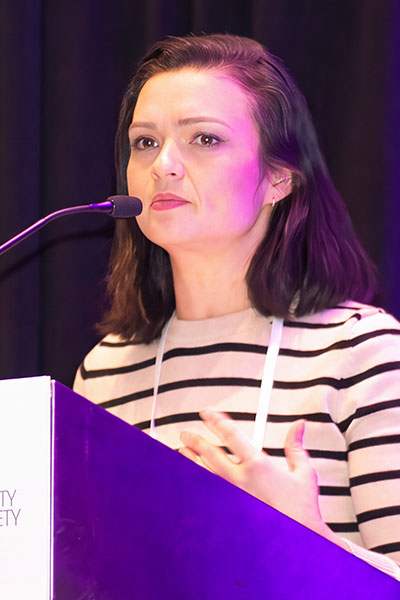
Patient advocate Yelena Kibasova, NASM-CPT, immigrated to the United States from Russia when she was 7 years old. As she grew up, her experiences were just life—they were all she knew. But leaving behind the familiarity of her homeland and adjusting to a new language, new food, a new culture, and a new dynamic as a new immigrant took a toll on her.
She detailed how chronic stress wired her body to store energy, retain weight, and seek comfort through food.
“Reaching my highest weight at 18 wasn’t a personal failure, it was the result of a body and brain doing whatever it took to survive,” Kibasova said.
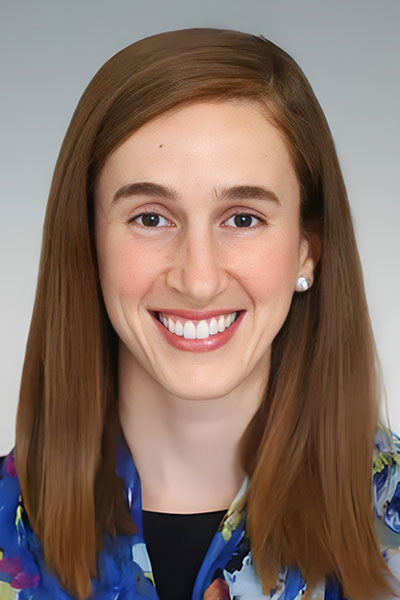
Krista Schroeder, PhD, RN, CCRN
She went on to reduce her weight by more than 160 pounds through metabolic and bariatric surgery, movement, and lifestyle change. She is now a transformation advocate, group fitness instructor, personal trainer, and hockey coach.
She advised clinicians to consider what a person with obesity has been through that might be contributing to their disease.
“Many of your patients don’t realize their history is living in their biology,” Kibasova said. “When you help them make that connection, you change everything. You give them permission to stop blaming themselves and seek evidence-based care.”
Krista Schroeder, PhD, RN, CCRN, provided more details on how trauma shapes obesity biology and behavior.
Many of your patients don’t realize their history is living in their biology. When you help them make that connection, you change everything. You give them permission to stop blaming themselves and seek evidence-based care.
— Yelena Kibasova, NASM-CPT
“Research and theory do support that obesity risk generally increases with cumulative trauma exposure,” Dr. Schroeder said. “Collectively, this association is not evidence that trauma inevitably causes obesity, and the goal today is not to reduce obesity due to trauma. However, our goal is to understand that trauma is one contributor to the multifactorial condition of obesity.”
Trauma in the form of threat, deprivation, instability, loss, discrimination, or structural adversity can alter an individual’s immune, metabolic and neural systems. This biological embedding can influence what captures the person’s attention and what feels rewarding, how the body mobilizes and stores energy, and what behaviors feel feasible under stress.
Dr. Schroeder said that these adaptations then intersect with our modern environment to shape choices about food, sleep, and movement which may increase obesity risk.
Adaptive behaviors commonly seen on the hypothesized trauma-to-obesity pathway include stress-linked or emotional eating, a preference for immediate reward, reduced capacity to manage behavior under stress, and context-dependent changes in activity and sleep.
To begin to address possible trauma in patients living with obesity, screening is one component of trauma-informed care. It involves screening for exposure to potentially traumatic experiences; screening for current mental health symptoms related to trauma, such as depression or disordered eating; and assessing current social needs to support stability and well-being, explained Afton Koball, PhD, LP, ABPP, an associate professor of psychology at the Mayo Clinic.
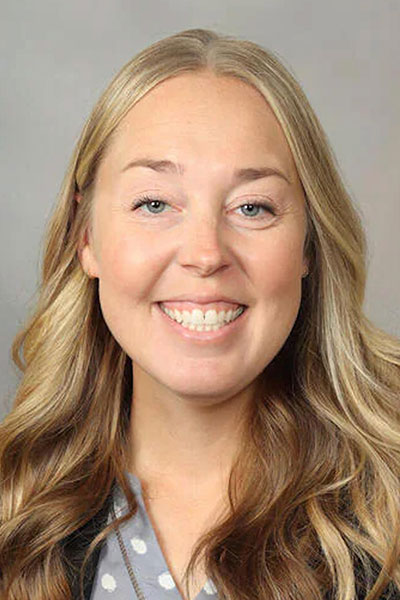
Afton Koball, PhD, LP, ABPP
“The goal is not to uncover trauma in every patient when we’re screening for trauma, but rather to understand enough about the person in front of us to provide obesity treatment that feels safe, collaborative, and clinically responsive,” Dr. Koball said.
The clinical interview should start by seeking patient permission to pose questions about difficult life experiences. The interviewer should normalize and explain why the screening questions are being asked. For instance, a clinician might say, “We know that stress and difficult experiences can affect health, eating, sleep, and weight, so I ask all my patients about this.” Dr. Koball also recommends telling patients they don’t need to disclose details they don’t want to share.
“Trauma history should inform how care is delivered, not determine whether evidence-based obesity treatment is offered,” Dr. Koball said.
If a trauma screening identifies active symptoms of trauma, the recommended clinical response is further assessment, modifying the approach to obesity care, and integrating behavioral health support without making it a barrier to obesity treatment.
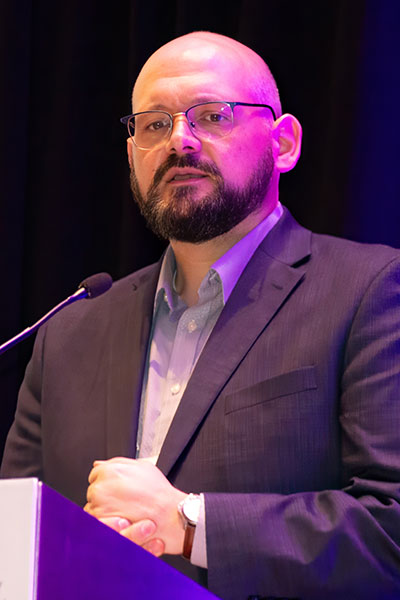
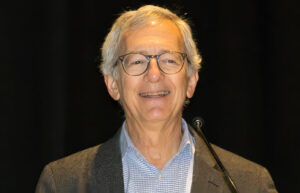
Sean Phelan, PhD, MPH
Trauma can take many forms. Sean Phelan, PhD, MPH, professor of health services research in the Division of Epidemiology at the Mayo Clinic, explained how stigma-related trauma can add to the complexity of obesity care.
“Stigma is a constant source of threat,” he explained. “Our identities, good, bad, or neutral, make up our sense of self and self-esteem. Higher body weight is an identity under constant threat from childhood bullying, personal discrimination, media tropes, unwelcoming environments, and so on.”
Repeated social devaluation in interactions with family, peers, media, and in the workplace creates expectations for negative experiences in social environments, including healthcare encounters. Patients report experiencing disrespectful or patronizing communication, unsolicited or excessive focus on weight, and feeling exposed or embarrassed, among other negative interactions with healthcare professionals.
Trauma-informed care is built on principles such as physical and psychological safety, trustworthiness and transparency, peer support, empowerment, and recognition of cultural, historical, and gender issues.
“A universal precaution approach to trauma when providing care may help prevent retraumatization, so that when patients enter our care expecting judgment, shame, blame, loss of control, and dismissal, instead they may be offered something healing, like safety, respect, choice, trust, and collaboration,” Dr. Phelan said.
The session provided insights into the influence of trauma on obesity risk and treatment. Presenters urged clinicians to adopt trauma-informed care approaches and to prioritize understanding the unique lived experiences that contribute to each patient’s overall health.
Save the Date for ObesityWeek 2027
Reserve Nov. 7–10, 2027, on your calendar for the live conference sessions of TOS 45th Annual Scientific Meeting at ObesityWeek 2027.
More details will be posted as they become available.