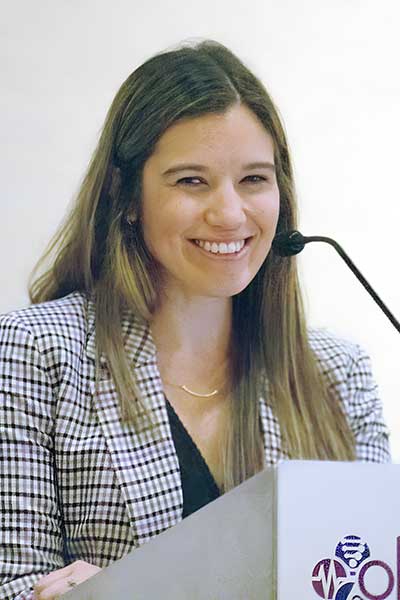
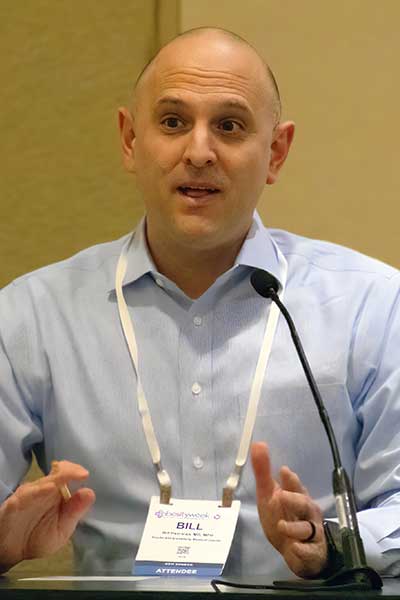
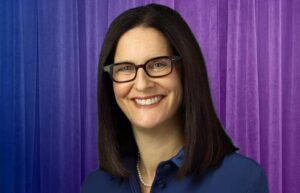
Led by Lilianna Suarez, MD, MPH, and facilitated by Bill Heerman, MD, MPH, both from Vanderbilt University, the Nov. 15 session was one of ten interactive workshops offered at ObesityWeek 2026. It walked attendees through branched-story decision-making scenarios of three complex cases, exploring the practical challenges of providing effective care within the context of dynamic needs and realities of home life.
The first case involved a 15-year-old girl with obesity, anxiety, obsessive-compulsive disorder, and a history of self-induced vomiting and laxative use. Workshop attendees overwhelmingly identified the warning signs of eating disorder as the priority issue. Dr. Suarez agreed, urging an investigation of body image concerns before considering pharmacotherapy. When the case study brief quoted the patient as saying that she “hates” her body and wants to resemble her peers, the conversation shifted decisively toward psychological evaluation and support.
Providing additional, authentic factors to consider, Dr. Suarez highlighted the role of the girl’s mother, a breast cancer survivor whose restrictive eating habits had become highly visible within the household. While well-intentioned, those behaviors appeared to adversely shape the adolescent’s mental health and views about food and body image.
“Our mental health drives our physical health, and so I try to make that connection,” Dr. Saurez said.
Meeting adolescents where they are—within reason, within their metabolic needs—can be a really good way to develop rapport.
— Lilianna Suarez, MD, MPH
She encouraged clinicians to watch carefully for messaging from family and caregivers around food and weight, warning attendees to be aware of negative talk in the exam room and of conversation that shifts focus away from the young patient.
Dr. Heerman reinforced the importance of direct yet compassionate communication when psychological concerns arise. “I might say: ‘Some of the things you’re telling me today actually make me a little concerned about your relationship to food.’”
The second case was a 16-year-old athletic boy with significant obesity and hepatic steatosis. His father wanted him to begin GLP-1 therapy, but the adolescent preferred to pursue lifestyle change first. Dr. Suarez highlighted the importance of respecting adolescent autonomy while balancing metabolic risk. The attendee discussion explored the merits of lifestyle intervention, pharmacotherapy, and even surgery for this patient.
Bill Heerman, MD, MPH
Here, Dr. Suarez described establishing a structured 3- to 6-month lifestyle trial with clearly defined goals while keeping medication as a future option. She stressed that introducing medication later should never be framed as failure.
“Meeting adolescents where they are—within reason, within their metabolic needs—can be a really good way to develop rapport,” Dr. Suarez said.
The third case involved a 12-year-old girl with severe obesity, prediabetes that later progressed to type 2 diabetes, and a home environment that complicated lifestyle change. Because her mother worked long shifts, much of her care fell to her grandmother, who routinely provided additional food and snacks when the child asked.
Audience members identified the grandmother as an important part of the treatment plan, suggesting she should attend future visits. Dr. Suarez agreed, noting that meaningful progress requires family-level change. The case also underscored the need to recognize caregiver efforts and the importance of helping families understand the factors driving metabolic disease.
Reflecting on her clinical approach, Dr. Suarez said, “Every teen talks first. I don’t really engage with the parents to begin with.” By creating space for adolescents to describe their own motivations, fears, and goals, she said, clinicians can build the trust needed to guide long-term obesity treatment successfully.
ObesityWeek 2026 Goes Hybrid
Recognizing many conference registrants were affected by flight interruptions across the United States, ObesityWeek 2026 has transitioned to a hybrid meeting format, allowing participants to stay connected and access scientific content.
Registered attendees can view sessions live through the conference app or by using the desktop link below (go to the session listings and click the Watch Live button for a chosen session). Live sessions are available during their scheduled program times; replay recordings will be available as part of ObesityWeek OnDemand beginning late January 2027. Purchase ObesityWeek OnDemand through conference registration by Nov. 17.