
With nearly two dozen sessions in the ObesityWeek 2026 lineup, Track 3: Interventional and Clinical Studies will delve into the latest developments related to behavioral health and pharmacotherapy for people living with obesity, including new data on one of the most prescribed obesity medications, phentermine.
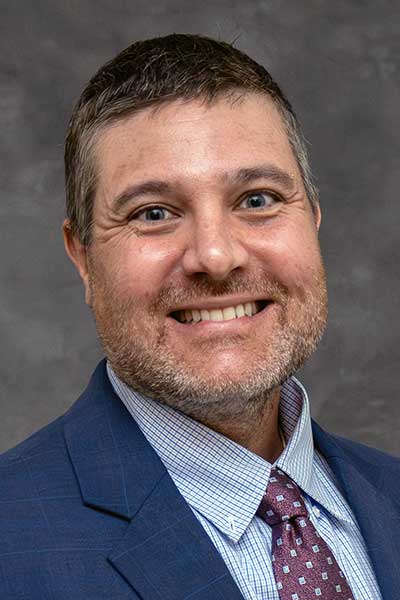
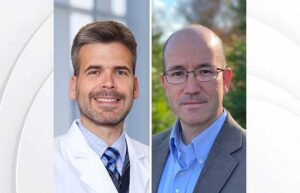
“This track is really important because there are so many clinicians present at ObesityWeek,” said John Apolzan, PhD, FTOS, track co-chair. “It includes presentations on both clinical and behavioral health, and we cover a breadth of topics that would be relevant for attendees of varied backgrounds.”
Dr. Apolzan, who created the track program with Joseph A. “Joey” Skelton, MD, MS, FAAP, FTOS, the track chair, said he anticipates particularly high interest in the track’s five Key Lecture events, the Nov. 16 symposium exploring results of the LEAP trial on the long-term effectiveness of phentermine, and sessions featuring new approaches to caring for children living with obesity.
“Phentermine, one of the most prescribed obesity medications, has been on the market for a very long time, but there really hasn’t been a lot of long-term effectiveness trials looking at it, so the results of this large-scale National Heart, Lung, and Blood Institute (NHLBI)-funded trial will be presented at ObesityWeek for the first time,” he noted. The speakers for the LEAP Trial: Long-Term Effectiveness of the Obesity Medication Phentermine session will discuss the drug’s efficacy, cardiovascular risk, and safety in adults with obesity, as well as the implications for clinical practice and standards of care.
In a Key Lecture on Nov. 15, the principal investigator of the National Institute of Diabetes and Digestive and Kidney Diseases (NIDDK)-funded PATHWEIGH trial will examine how to integrate obesity care into primary care using data from the study’s 56 clinics. Key Lecturer Peter Smith: PATHWEIGH – Mitigating Population-Level Weight Gain in Primary Care will also address the roles of leadership support, electronic health records (EHRs), and clinical implementation strategies to improve weight loss and maintenance outcomes.
Also on Nov. 15, Key Lecturer Andres Acosta: Why One Size Will Never Fit All: Biological Diversity in Obesity and Treatment Response will address how treatment response should be examined within different groups of people living with obesity.
On Nov. 17, Key Lecturer Roger Cone: Receptor by Any Other Name Would Signal as Sweet – How Melanocortin Receptors Reshaped the Genetics of Obesity will provide perspective into the discovery and evolution of the melanocortin system as a central regulator of body weight and energy balance.
A landmark trial that transformed the understanding of obesity treatment for individuals living with mental illness will be discussed on Nov. 17 by Key Lecturer Gail Daumit: Translating and Disseminating a Behavioral Obesity Treatment Intervention for Adults with Serious Mental Illness. Dr. Daumit, the lead researcher for the ACHIEVE study, will highlight key findings, lessons learned from translating evidence into practice, and emerging implementation strategies shaping real-world care.
As an attendee, Dr. Apolzan finds the key lecturers particularly insightful because these presenters often share their professional journeys alongside scientific and clinical advancements.
“The key lecturers are especially interesting when they discuss not only what they’ve done in the last two years, but the last 20 and what’s brought them to this stage and all they’ve had to learn through their career,” Dr. Apolzan said. “Those are my favorite sessions.”
Multiple sessions in the track, including a Key Lecture, will explore the unique dynamics of obesity in children. Key Lecturer Michael Goran: Ultra-Processed Foods and the Developing Brain – A Neurodevelopmental Model of Obesity and Chronic Disease Risk will take place on Nov. 14. On Nov. 16, The Wonder Years: Treatment of Obesity in Younger Children, 6-12 Years will examine an understudied developmental stage.
“Most of obesity treatment looks at teenage years through older adults, but we’ll have a session on younger kids to start to get some discussion moving in that arena,” Dr. Apolzan said.
The most up-to-date ObesityWeek session details, including a listing of all dedicated and cross-listed Interventional and Clinical Studies track events, are available in the online program.
View the full ObesityWeek conference program at obesityweek.org. Symposium, plenary, Key Lecture, and oral session recordings will be available as part of ObesityWeek OnDemand beginning late January 2027. Purchase ObesityWeek OnDemand through conference registration by Nov. 17.
Complete Listing of Sessions for Track 3: Interventional and Clinical Studies
All listed times are in ET. All room locations are in the Gaylord National Resort & Convention Center. Events listed with an asterisk (*) signify that the event is cross-listed with other ObesityWeek 2026 program tracks. Listing is current as of Oct. 1, 2026.
Saturday, Nov. 14
- 1:30–2:30 pm | Potomac C123, Ballroom Level
Symposium | Optimizing Non-Pharmacological Interventions in Pediatric Obesity* - 3–4 pm | National Harbor 2-3
Key Lecture | Key Lecturer: Michael Goran: Ultra-Processed Foods and the Developing Brain – A Neurodevelopmental Model of Obesity and Chronic Disease Risk - 4:30–5:30 pm | National Harbor 10-11
Oral Session | Long-Term Outcomes and Comparative Effectiveness of Treatments Oral Session
Sunday, Nov. 15
- 8:30–9:30 am | Potomac AB, Ballroom Level
Non-CME Oral | Patient-Centered Outcomes and Experiences with GLP-1 Therapies Oral Session - 8:30–9:30 am | Potomac C123, Ballroom Level
Oral Session | Treatment Durability and Predictors of Response Oral Session - 10:30–11:30 am | Potomac D456, Ballroom Level
Key Lecture | Key Lecturer Andres Acosta: Why One Size Will Never Fit All: Biological Diversity in Obesity and Treatment Response* - 12–1 pm | Potomac D456, Ballroom Level
Section | TOS Behavioral Science Section Meeting (TOS members only)* - 12–1 pm | Woodrow Wilson, Ballroom Level
Section | TOS Clinical Science Meeting (TOS members only) - 1:30–2:30 pm | Potomac AB, Ballroom Level
General Session | TOS Awards Plenary: Perspectives on Obesity: Science, Behavior, and the Path Forward* - 3:30–4:30 pm | Potomac C123, Ballroom Level
Oral Session | Behavioral Pathways and Digital Innovations in Weight Management Oral Session - 3:30–4:30 pm | National Harbor 10-11
Symposium | Breast Cancer: We’re Treating it All Wrong* - 3:30–4:30 pm | Potomac D456, Ballroom Level
Non-CME Oral Session | Eloralintide Phase 2 Clinical Outcomes Oral Session - 3:30–4:30 pm | Potomac AB, Ballroom Level
Non-CME Oral Session | Pharmacologic Effects on Food Cravings and Eating Behavior Oral Session* - 5–6 pm | Potomac C123, Ballroom Level
Key Lecture | Key Lecturer Peter Smith: PATHWEIGH – Mitigating Population-Level Weight Gain in Primary Care* - 5–6:30 pm | Potomac D456, Ballroom Level
Non-CME Session | Obesity Journal Symposium* - 5–6:30 pm | National Harbor 2-3
Symposium | TOS/NORC Collaborative Symposium: Novel Findings in Nutrition and Obesity Research: Highlighting NORCs Early Career Investigators* - 5–6:30 pm | Woodrow Wilson, Ballroom Level
Non-CME Oral Session: TRIUMPH Program and SURMOUNT-ADOLESCENTS Study Oral Session - 6:30–8 pm | Riverview Ballroom B
Corporate Supported Symposium | One Patient, Many Perspectives: A Multidisciplinary Expert Roundtable on Obesity Care* - 6:30–9 pm | Exhibit Hall A
Corporate Supported Symposium | Corporate Supported Symposium – Obesity in Focus: Today’s Evidence, Tomorrow’s Possibilities*
Monday, Nov. 16
- 8:30–9:30 am | Woodrow Wilson, Ballroom Level
Symposium | LEAP Trial: Long-Term Effectiveness of the Obesity Medication Phentermine* - 8:30–9:30 am | Annapolis, Ballroom Level
Clinical Case Workshop | The Hidden Challenge: Assessing Malnutrition Within Obesity Care* - 8:30–9:30 am | Potomac C123, Ballroom Level
Symposium | TOS/ACSM Joint Symposium: Moving Beyond Weight – Physiological and Psychological Engagement for Physical Activity in Obesity Treatment* - 10–11am | Potomac D456, Ballroom Level
Oral Session | Precision Medicine, Artificial Intelligence, and Predictive Modeling Oral Session - 10–11:30 am | National Harbor 10-11
Non-CME Session | Early Career Lightning Talks* - 10–11:30 am | Potomac AB, Ballroom Level
Non-CME Oral Session | Semaglutide for the Treatment of Childhood Obesity: Results of the STEP-YOUNG Trial - 1:30–2:30 pm | Annapolis, Ballroom Level
Workshop | Early Career Workshop – Beyond Academia: Roadmap to What Comes Next* - 1:30–2:30 pm | Woodrow Wilson, Ballroom Level
Non-CME Oral Session | Emerging Obesity Therapies and Clinical Outcomes Oral Session* - 1:30–2:30 pm | National Harbor 10-11
Symposium | TOS/SSIB Collaborative Symposium: Much Ado About Eating – The Neurobiology of Eating Behavior* - 3:30–4:30 pm | National Harbor 10-11
Oral Session | Pediatric Obesity and Personalized Approaches to Care Oral Session - 5-6:30 pm | Potomac AB, Ballroom Level
Non-CME Oral Session | Advances in Weight-Loss Pharmacotherapy and Body Composition Oral Session - 5–6:30 pm | Potomac C123, Ballroom Level
Symposium | The Wonder Years: Treatment of Obesity in Younger Children, 6-12 Years*
Tuesday, Nov. 17
- 8:30–9:30 am | Annapolis, Ballroom Level
Clinical Case Workshop | How To Measure Energy Balance and Interpret Data in Pre-Clinical Models in a Clinically Translational Way* - 8:30–9:30 am | National Harbor 2-3
Oral Session | Predicting, Measuring, and Optimizing Treatment Response Oral Session - 10–11 am | Potomac D456, Ballroom Level
Key Lecture | Key Lecturer Gail Daumit: Translating and Disseminating a Behavioral Obesity Treatment Intervention for Adults with Serious Mental Illness* - 10–11 am | Potomac C123, Ballroom Level
Key Lecture | Key Lecturer Roger Cone: A Receptor by Any Other Name Would Signal as Sweet – How Melanocortin Receptors Reshaped the Genetics of Obesity*