
A dynamic ObesityWeek 2026 program for Track 1: Metabolism and Integrative Physiology includes symposia, oral sessions, and Key Lectures in addition to poster sessions and the affiliated sectional meeting.
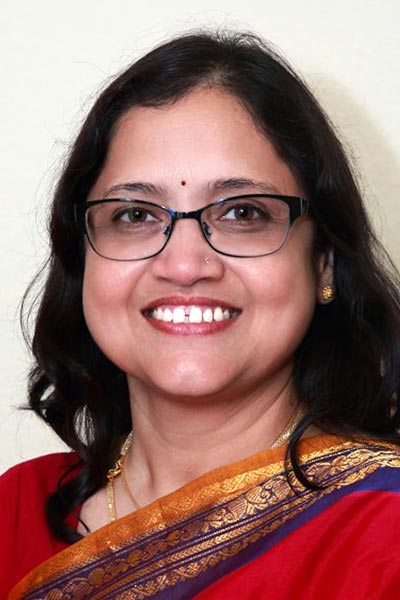
Track Chair Saroja Voruganti, PhD, said this year’s lineup was created to highlight the latest research developments and cutting-edge takes on perennial themes such as adipose tissue dysfunction, breast cancer, menopause, pediatric obesity, and muscle mass.
“We’ve focused on what is new and has advanced knowledge over the past year,” said Dr. Voruganti, the director of the Nutrigenomics and Clinical Research Core at the Nutrition Research Institute of the University of North Carolina at Chapel Hill.
Dr. Voruganti said that much of the recent literature and clinical applications reflect the rise in use and the secondary effects of glucagon-like peptide-1 [GLP-1] medications, but that the track’s program will take these discussions further, including examinations of different incretin-based therapies and novel pathways for treatment.
Barbara Gower, PhD, FTOS, chair of the Department of Nutrition Sciences at the University of Alabama at Birmingham, noted that the track also expands on popular themes from the pprevious years, with additions such as the symposium Muscle in the Cross Hairs: IMAT, GLP-1s, and the Battle for Lean Mass, to be held on Nov. 16.
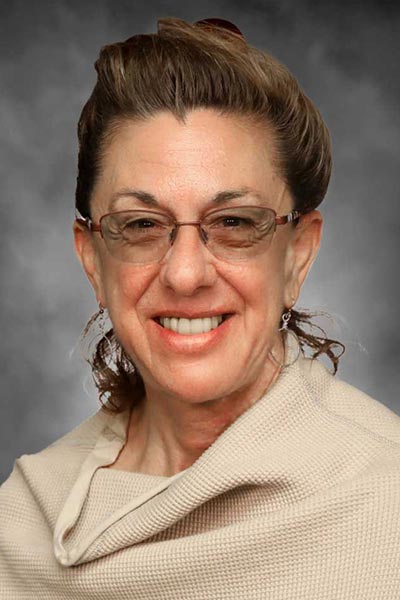
“There has been a lot of enthusiasm for this topic, so we wanted to build on that and offer a session this year with a lineup of three high-profile experts,” said Dr. Gower.
Those experts include: Cheehoon Ahn, PhD, who will discuss cellular heterogeneity and cardiometabolic relevance of intermuscular adipose tissue; Brandon Roberts, PhD, MBA, who will share insights on skeletal muscle and beyond-the-scale assessments of pharmacotherapeutic weight loss; and David Church, PhD, whose work has focused on how the human body builds and preserves muscle function during aging, stress, and severe energy deficits, particularly in the rapidly evolving landscape of GLP-1 medications.
Drs. Gower and Voruganti said that they anticipate another popular session will be Breast Cancer – We’re Treating It All Wrong, to be held on Nov. 15.
Dr. Gower said she expects the three presentations in this symposium to generate extensive discussion and questioning of standard cancer treatment, particularly in the spheres of endocrine therapy, diet, exercise, and lifestyle modifications.
“One of these speakers is Colin Champ, MD, CSCS, who is a radiologist and treats people with breast cancer. He also puts patients on a regime of diet and exercise—getting them into a gym and doing Olympic lifts—and has fabulous results,” said Dr. Gower. “It goes against much of the standard approach, which advises people to take it easy during cancer treatments, but his patients are so healthy and feel so empowered when they are done.”
The track’s Key Lecturers will provide new insights into some of the field’s most-discussed topics, including melanocortin receptors, the immune system and regulation of adipose tissue, menopause and hormone therapy, and pediatric obesity.
The Key Lecture from Sheela Magge, MD, MSCE, Pediatric Obesity – the Effects of Body Composition, Ancestry, and Ectopic Fat on Cardiometabolic Risk , which takes place on Nov. 17, will combine novel takes and cutting-edge research.
“Pediatric obesity and the comorbidities that come with this, such as type 2 diabetes, are hot and important topics because children are experiencing such high prevalence of obesity right now. In children, type 2 diabetes presents a different pathophysiology from adults, and it’s not as responsive to pharmacotherapies,” Dr. Gower said. “Dr. Magge has an interesting, diverse set of data from her research and will talk about how ancestry plays a role in type 2 diabetes among different populations of children.”
Drs. Gower and Voruganti encouraged colleagues to review the full track programming and attend as many events as possible. But they also advised attendees to set aside time for networking and said that convention conversations have led to transformative collaborations in their careers.
The most up-to-date ObesityWeek session details, including a listing of all dedicated and cross-listed Metabolism and Integrative Physiology track events, are available in the online program.
View the full ObesityWeek conference program at obesityweek.org. Symposium, plenary, Key Lecture, and oral session recordings will be available as part of ObesityWeek OnDemand beginning late January 2027. Purchase ObesityWeek OnDemand through conference registration by Nov. 17.
Complete Listing of Sessions for Track 1: Metabolism and Integrative Physiology
All listed times are in ET. All room locations are in the Gaylord National Resort & Convention Center. Events listed with an asterisk (*) signify that the event is cross-listed with other ObesityWeek 2026 program tracks. Listing is current as of Oct. 1, 2026.
Saturday, Nov. 14
- 10:30 am–12 pm | Potomac D456, Ballroom Level
Oral Session | Basic Science Blitz – Session 1* - 11:45 am–1:15 pm | Riverview Ballroom B
Corporate Supported Symposium | Corporate Supported Symposium – The Missing Piece in the Obesity Puzzle: Exploring the Immunobiology of Obesity and the Role of Amylin* - 1–2:30 pm | Potomac D456, Ballroom Level
Oral Session | Basic Science Blitz – Session 2* - 3–4 pm | Woodrow Wilson, Ballroom Level
Non-CME Oral | Preclinical Obesity Pharmacotherapies and Animal Model Research Oral Session - 3–4 pm | Potomac D456, Ballroom Level
Symposium | To Gain or Not to Gain, That Is the Question – Is the Obesity Paradox a Shield or Sword as We Age?* - 4:30–5:30 pm | Potomac D456, Ballroom Level
Symposium | Functional Diversity of Adipose Tissue in Obesity: White, Brown, and Clinical Perspectives - 4:30–5:30 pm | Potomac C123, Ballroom Level
Non-CME Oral | Novel Therapeutic Modalities and Drug Development Oral Session - 7:30–8:30 pm | Exhibit Hall BCD
Special Event | Poster Session 1*
Sunday, Nov. 15
- 7:30–8:30 am | Exhibit Hall A
Corporate Supported Symposium | Weight Management Foundayo* - 8:30–9:30 am | Potomac D456, Ballroom Level
Key Lecture | Key Lecturer Evana Mills: The Immune System and Regulation of Adipose Tissue - 10:30–11:30 am | Potomac C123, Ballroom Level
Oral Session | Exercise Training and Physiologic Adaptations - 10:30–11:30 am | National Harbor 10-11
Symposium | TOS/KSSO Collaborative Symposium: Unpacking Adipose Tissue – From Basic Biology to Precision Obesity Interventions - 3:30–4:30 pm | National Harbor 10-11
Symposium | Breast Cancer – We’re Treating It All Wrong* - 5–6:30 pm | Potomac D456, Ballroom Level
Non-CME Session | Obesity Journal Symposium* - 5–6:30 pm | National Harbor 2-3
Symposium | TOS/NORC Collaborative Symposium: Novel Findings in Nutrition and Obesity Research: Highlighting NORCs Early Career Investigators* - 5–6:30 pm | National Harbor 10-11
Oral Session | Women’s Health, Hormones, and Pharmacologic Response to Weight-Loss Interventions Oral Session - 6:30–8 pm | Riverview Ballroom B
Corporate Supported Symposium | Corporate Supported Symposium – One Patient, Many Perspectives: A Multidisciplinary Expert Roundtable on Obesity Care*
Monday, Nov. 16
- 8:30–9:30 am | National Harbor 2-3
Symposium | Marked Before We Draw Breath: How Parental Obesity Shapes the Brain and Body* - 8:30–9:30 am | Potomac C123, Ballroom Level
Symposium | TOS/ACSM Joint Symposium: Moving Beyond Weight – Physiological and Psychological Engagement for Physical Activity in Obesity Treatment* - 10–11:30 am | National Harbor 10-11
Non-CME Session | Early Career Lightning Talks* - 11:45 am–1:15 pm | Exhibit Hall A
Corporate Supported Symposium | Exploring Zepbound (Tirzepatide) Injection With a Clinical Expert* - 12–1 pm | Potomac C123, Ballroom Level
Section | TOS Basic Science Section Meeting (TOS members only) - 1:30–2:30 pm | National Harbor 2-3
Oral Session | Brain Biology, GLP-1 Response, and Adipose Tissue Function Oral Session* - 1:30–2:30 pm | Annapolis, Ballroom Level
Workshop | Early Career Workshop – Beyond Academia: Roadmap to What Comes Next* - 1:30–2:30 pm | Woodrow Wilson, Ballroom Level
Non-CME Oral | Emerging Obesity Therapies and Clinical Outcomes Oral Session* - 1:30–2:30 pm | National Harbor 10-11
Symposium | TOS/SSIB Collaborative Symposium: Much Ado About Eating – The Neurobiology of Eating Behavior* - 3:30–4:30 pm | Potomac D456, Ballroom Level
Key Lecture | Key Lecturer Kristy Townsend: Menopause and Hormone Therapy: New Therapeutics, New Applications - 5–6:30 pm | Potomac D456, Ballroom Level
Symposium | Muscle in the Cross Hairs: IMAT, GLP-1s, and the Battle for Lean Mass
Tuesday, Nov. 17
- 8:30–9:30 am | National Harbor 10-11
Oral Session | Lipedema, Genetics, and Energy Balance Oral Session - 10–11 am | Potomac C123, Ballroom Level
Key Lecture | Key Lecturer Roger Cone: A Receptor by Any Other Name Would Signal as Sweet – How Melanocortin Receptors Reshaped the Genetics of Obesity* - 10–11 am | National Harbor 10-11
Key Lecture | Key Lecturer Sheela Magge: Pediatric Obesity – the Effects of Body Composition, Ancestry, and Ectopic Fat on Cardiometabolic Risk