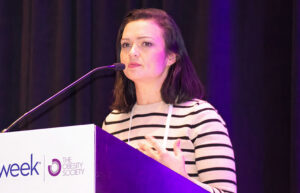

ObesityWeek 2026 lived up to its promise of delivering cutting-edge basic and clinical research, state‑of‑the‑art treatment and prevention strategies, the latest advances in advocacy and public policy, real-world insights, and meaningful collaboration to move the field forward.
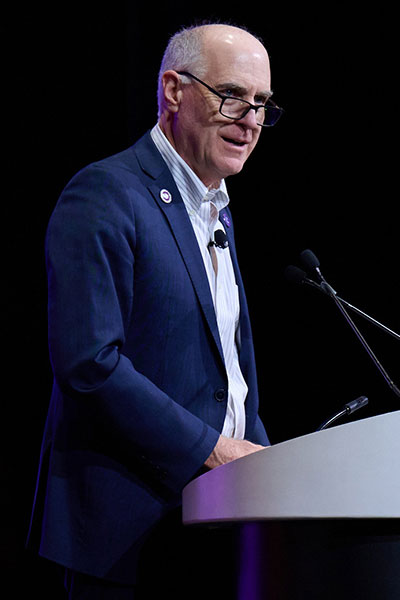
More than 4,300 clinicians, researchers, obesity health and industry professionals attended the conference, with nearly an additional 1,000 people joining through virtual access after TOS responded immediately to a disruption of flights across the United States and expanded ObesityWeek 2026 into a hybrid virtual conference for all registered attendees.
We asked President Jacqueline M. Stephens, PhD, FTOS, and President-elect Jonathan Purnell, MD, FTOS, to share their thoughts, highlights and recommendations for can’t-miss sessions to view or watch again through ObesityWeek OnDemand available in January 2027.
What was a key, overall takeaway from ObesityWeek 2026?
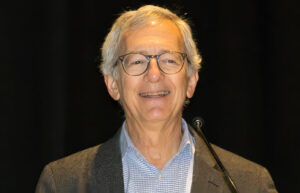
President Stephens: The meeting reminded me that obesity care is truly multidisciplinary. Experts from every field related to obesity attend and present their own work, including clinicians, researchers, surgeons, dietitians, behavioral health specialists, advocates, and public health leaders. Seeing that range of expertise in one place left me optimistic about the progress being made, and it reinforced that the best path forward is working together.
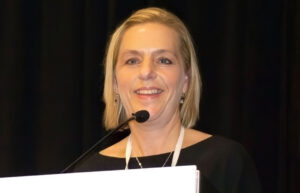
President-elect Purnell: The conference reinforced the need for providers to address all available treatment options when patients seek care. In models of care, this is known as comprehensive obesity care in which the right treatment is offered to the right patient at the right time: lifestyle, obesity medications, and metabolic and bariatric surgery. We had three sessions dedicated to reinforcing the importance of metabolic and bariatric surgery for many patients who are currently not being offered this option and how combination therapies, both for medications and medications with surgery, will be needed to treat the most severely affected patients. You could sense the energy among the participants and how they appreciated the opportunity to learn about all aspects of the disease of obesity in one place, from basic science to therapeutic options to policy. There was a palpable excitement and feeling that we’ve turned a corner in having safe and effective therapies, spanning patients across the lifespan.
What are some conference sessions that you would recommend for all TOS members to view or watch again through OnDemand?
President Stephens:
- Key Lecturer Roger Cone: A Receptor by Any Other Name Would Signal as Sweet – How Melanocortin Receptors Reshaped the Genetics of Obesity
This Key Lecture about ongoing research into melanocortin made a huge impact. I sat through this session, but I want to watch it again.
- Merging Modalities: A Unified Approach to Treating the Patient with BMI >35
This symposium included presentations by Jamy Ard, MD, FTOS; Ania Jastreboff, MD, PhD; and Crystal Johnson-Mann, MD, MPH. I didn’t get to see it, but it sounds extremely interesting and I want to watch it.
- Key Lecturer Kristy Townsend: Menopause and Hormone Therapy: New Therapeutics, New Applications
We don’t think of peripheral neuropathies enough and Dr. Townsend has a lot of insights into this theme and is such a dynamic, energetic speaker.
President-elect Purnell:
- TRIUMPH Program and SURMOUNT-ADOLESCENTS Study Oral Session
Semaglutide for the Treatment of Childhood Obesity: Results of the STEP-YOUNG Trial
These two sessions report the outcomes of treating children and adolescents with obesity with GLP-1 based medications, which fills in important needs for children with obesity currently not seeing improvement with lifestyle alone.
- The Year in Obesity Approvals and Regulatory Updates
This session on FDA regulatory guidance was fascinating, and it is reassuring that the right professionals are in place to judge the safety and efficacy of current and new obesity medications.
- Do You Hear What I Hear? Perspectives on Food Noise
TOS/AANP Joint Symposium: Turn Down the Volume – Tackling Food Noise in Obesity Treatment
Navigating the Noise: Supplements, Social Media Myths, and GLP-1 Realities
Any of these sessions on nutrition and patient’s experiences, such as food noise, because of their particular relevance once management with obesity medications and metabolic and bariatric surgery are started.
What ObesityWeek 2026 scientific takeaways will you immediately begin applying to your work?
President-elect Purnell: From a research standpoint, ObesityWeek has helped me refine mechanisms liking accumulation of excess adipose tissue with immune mediators of obesity complications, especially neuroinflammation. Another line of investigation is looking at novel brainstem neuroendocrine pathways that synergize with GLP-1 and leptin signaling to improve weight loss success and health outcomes. Clinically, data from GLP-1 trials (SURMOUNT and STEP) provide reassuring evidence for the health benefits and weight loss durability when offering obesity medication treatment to children and adolescents with obesity who do not respond to lifestyle alone.
How would you encourage TOS members to contribute to the Society’s year-round work and to take advantage of available resources and benefits?
President Stephens: Attend Coffee with the Expert and other virtual events sponsored by TOS. Submit suggestions for ObesityWeek 2027 topics early next year.
President-elect Purnell: Join a TOS Section and help to determine priorities for committees, the board, and executive committee. Sections are also segues to leadership opportunities on committees, where these ideas are refined and advanced. We are upgrading our website to make navigation easier and will be introducing the TOS Institute where educational materials will be available.
The membership of The Obesity Society has seen tremendous growth over the past few years. With this increased size, what are the new challenges and opportunities for the Society and its role in the wider field of obesity care?
President Stephens: To me, it’s about protecting our research base, both basic and clinical. Our preclinical expertise, starting at the lab bench, is what sets TOS apart from other obesity societies. As we grow, I hope we stay focused on our mission to advance the science, prevention, and treatment of obesity through excellence in research, clinical care, education, and policy.
What achievements do you hope the Society completes or what new projects will have begun before we gather again for ObesityWeek 2027?
President-elect Purnell: My priorities will be to support our membership needs, especially scientific and trainee needs. Also, strengthen alliances with other obesity societies, nationally, regionally, and internationally to optimize provider education and patient care.
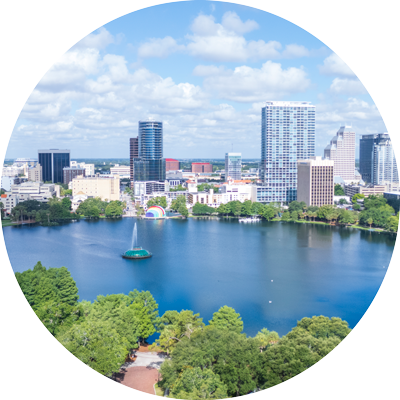
ObesityWeek 2027 will convene Nov. 7-10 in Orlando, Florida. Watch for opportunities to submit abstracts for the next conference in early spring. The Program Planning Committee has begun its 2027 work and will formally meet in January to plan next year’s conference. The momentum in the field of obesity research and care promises to make the 2027 event a highlight of the year and a key opportunity to connect and learn.