As interest in GLP-1 medications expands into metabolically healthy populations, the Nov. 15, 8:30–9:30 am ET, ObesityWeek symposium From Kids to Older Adults: Should the “Healthy” Use GLP-1s? will examine the ethical and clinical implications of using these therapies beyond traditional patient populations.
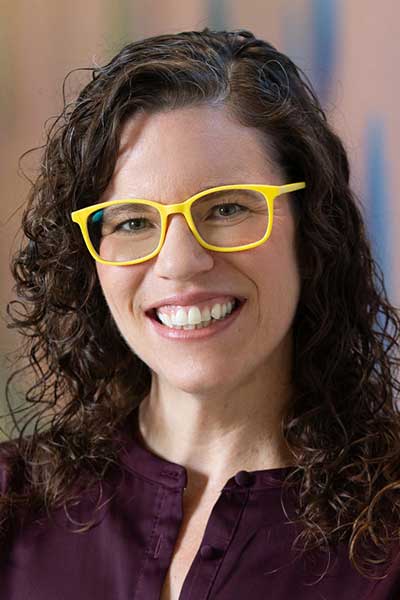
Alaina Vidmar, MD, DABOM
Expert speakers on the symposium panel will approach this theme by considering expanded GLP-1 use in three age groups. John Batsis, MD, FTOS, will examine the use and unique risks of GLP-1s among older adult populations; Tim Church, MD, MPH, PhD, will consider whether the benefits seen in higher-risk adult populations translate meaningfully to adults without metabolic disease; and Alaina Vidmar, MD, DABOM, will discuss how these considerations apply to the pediatric/adolescent populations. Aaron Kelly, PhD, FTOS, will chair the symposium.
Dr. Vidmar, a pediatric endocrinologist and medical director of the Obesity Medicine and Bariatric Surgery Program at Children’s Hospital Los Angeles, noted that each age group will have different considerations for the definition of healthy and for the thresholds of using GLP-1s. For example, adults presenting with classic symptomatology of type 2 diabetes, high blood pressure, or high cholesterol are currently seen as having a clearer case for GLP-1 use than individuals without any of these complications, but that division is less helpful in pediatric populations where complications have not had the chance to develop over decades of life.
“In these younger stages, we have an opportunity to start treatment right when increased adiposity starts to occur, which we know is when the disease entity is starting to cause challenges and increase risk over time,” Dr. Vidmar said.
Dr. Vidmar said that the considerations for using GLP-1s in pediatric populations have been greatly influenced by the American Academy of Pediatrics 2023 Guidelines for Evaluation and Treatment of Children and Adolescents with Obesity, which moved the conversation from whether GLP-1s can be used in pediatric obesity toward how they can be best used to change trajectories.
For those of us in obesity science and medicine, it’s all about being a good steward of these GLP-1 tools, humbly acknowledging what we do and do not know, and being transparent and honest with our patients.
— Alaina Vidmar, MD, DABOM
“Now, we can ask even more thoughtful questions such as: Which kids should use which agents? When and at what level of severity should we start treatment? How do we monitor it over time? What are the risk factors?” Dr. Vidmar said. “We certainly need to do more research quickly and thoughtfully so that we can answer these questions systematically.”
In her presentation, Dr. Vidmar will also present clinical observations on the potential effects of GLP-1s on young people, such as their bone composition or their risks of disordered eating.
Dr. Vidmar said that while the pediatric population has unique considerations when considering GLP-1 treatment, the care for different populations can also benefit by applying lessons from other age groups.
“I’m looking forward to hearing the other presenters on this panel because I think there are similarities for these different age groups,” Dr. Vidmar said. “We all must weigh the acute benefits and quality-of-life improvements that we can achieve against any long-term risks and gaps we might have in our knowledge. For those of us in obesity science and medicine, it’s all about being a good steward of these GLP-1 tools, humbly acknowledging what we do and do not know, and being transparent and honest with our patients.”
ObesityWeek 2026 Goes Hybrid
Recognizing many conference registrants were affected by flight interruptions across the United States, ObesityWeek 2026 has transitioned to a hybrid meeting format, allowing participants to stay connected and access scientific content.
Registered attendees can view sessions live through the conference app or by using the desktop link below (go to the session listings and click the Watch Live button for a chosen session). Live sessions are available during their scheduled program times; replay recordings will be available as part of ObesityWeek OnDemand beginning late January 2027. Purchase ObesityWeek OnDemand through conference registration by Nov. 17.