A robust lineup of themes—such as the effects of body positivity, wearable technologies, and diverse perspectives on what drives food noise—will be explored as part of Track 4: Population Health at ObesityWeek 2026.
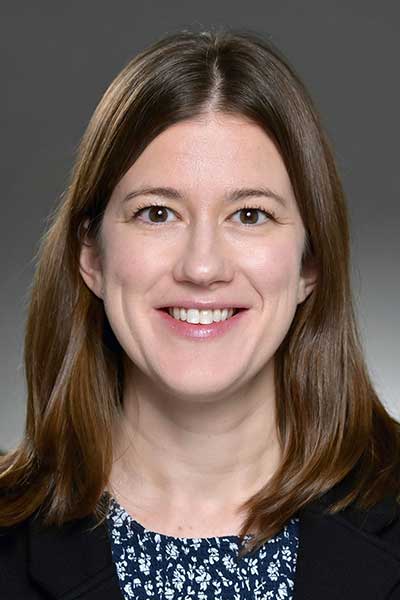
Alpa V. Patel, PhD
“This wide range of topics addresses not only the mechanisms of obesity, but also the environment in which that happens,” explained Alpa V. Patel, PhD, track co-chair. “If you are interested in learning about the environment in which obesity thrives, then the Population Health track offers several opportunities.”
The Population Health sessions complement timely, cutting-edge discussions taking place throughout the entire obesity medicine community, added Katherine N. Balantekin, PhD, RD, the track chair.
“The overall ObesityWeek programming will present a lot of science and clinical research, and we will examine how many of these same topics are relevant to population health studies,” said Dr. Balantekin, assistant professor in the Department of Exercise and Nutrition Sciences, University at Buffalo. “For example, our symposium on glucagon-like peptide-1 [GLP-1] therapies will look at how the increasingly widespread use of GLP-1s is affecting health at the population level and on how their benefits might extend to conditions such as inflammation or type 2 diabetes.”
Katherine N. Balantekin, PhD, RD
Dr. Balantekin also noted that many of the track discussions will benefit from the presence of panelists with lived experience while the track’s Key Lectures—such as a discussion on body positivity by Robyn Pashby, PhD—will expertly bridge obesity science, clinical knowledge, and population health.
“There is a controversy in some scientific fields about the relationship between weight management and body positivity,” Dr. Balantekin explained. “I think this lecture will highlight how someone might be actively working to change their body and have high levels of body positivity. It will also spark conversations about medical oversight, weight stigma screening, eating disorder screening, and other aspects that directly impact population health.”
If you are interested in learning about the environment in which obesity thrives, then the Population Health track offers several opportunities.
— Alpa V. Patel, PhD
“All of the Key Lectures and symposia in this track go back to these big population issues that need to be addressed,” added Dr. Patel, the senior vice president for population science at the American Cancer Society, Inc. “The programming for this track is about gaining a better understanding of how concepts such as body positivity or new technologies and innovations, such as GLP-1s or wearable devices, affect weight management at a population level—and then how we need to think about these themes from a research perspective that can inform policy change. What we are really touching on is how we should think about these ideas in the population health space—how systems get in the way or can help improve population health.”
Dr. Patel noted that ObesityWeek provides an ideal forum for these discussions and the scientific work they facilitate.
“As science becomes more multidisciplinary and collaborative, these gatherings open organic discussions that wouldn’t happen otherwise. Over the course of my career, one of the things I have always benefited from is this chance to meet trainees and other scientists, and to spark ideas for collaborative work,” she said.
View the full ObesityWeek conference program at obesityweek.org. Symposium, plenary, Key Lecture, and oral session recordings will be available as part of ObesityWeek OnDemand beginning late January 2027. Purchase ObesityWeek OnDemand through conference registration by Nov. 17.
Complete Listing of Sessions for Track 4: Population Health
All listed times are in ET. All room locations are in the Gaylord National Resort & Convention Center. Events listed with an asterisk (*) signify that the event is cross-listed with other ObesityWeek 2026 program tracks. Listing is current as of Oct. 15, 2026.