For years, fat was viewed primarily as the body’s energy storage system. Today, obesity researchers are uncovering a far more complex story. Advances in molecular biology and high-throughput analysis have revealed that adipose tissue is a dynamic organ composed of specialized depots throughout the body, each with unique functions and distinct effects on health.
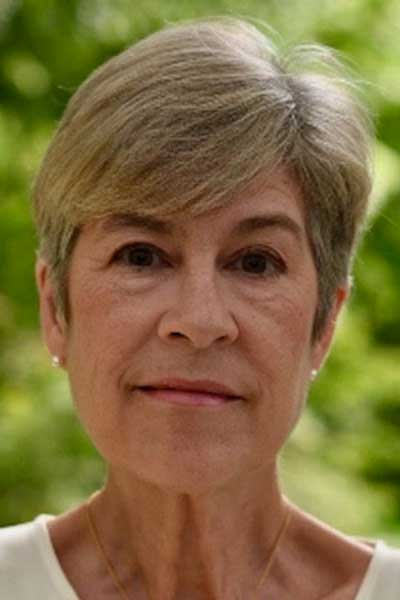
According to Maren Laughlin, PhD, chair of the symposium, scientists are finding that fat tissue participates in an intricate network of communication with organs throughout the body and may influence everything from metabolism and inflammation to cardiovascular health.
“We have fat everywhere,” said Dr. Laughlin, the co-director of the NIDDK Office Of Obesity Research, NIH. “As we look at more and more of these adipose depots, they all do different things. They seem to have completely different functions and completely different conversations going on between that depot and other organs in the body.”
Experts featured in the symposium will detail their work in examining specific properties of fat depots.
Paul Cohen, MD, PhD, the head of the Weslie R. and William H. Janeway Laboratory of Molecular Metabolism and senior attending physician at The Rockefeller University, has led research focusing on understanding the molecular connections among obesity, type 2 diabetes, cardiovascular disease, and cancer through the biology of white and brown adipose tissue. At the symposium, he will discuss research showing that adipose tissue surrounding blood vessels may play a direct role in cardiovascular function.
“Perivascular adipose tissue actually seems to contribute to keeping blood pressure low,” Dr. Laughlin noted. “It secretes a protein that is involved in blood vessel reactivity and fibrosis.”
As we look at more and more of these adipose depots, they all do different things. They seem to have completely different functions and completely different conversations going on between that depot and other organs in the body.
— Maren Laughlin, PhD
Shingo Kajimura, PhD, a professor at Harvard Medical School and Beth Israel Deaconess Medical Center, and an investigator at Howard Hughes Medical Institute, will explore how brown and beige adipose tissues regulate metabolism and whole-body energy balance.
Dr. Laughlin noted that Dr. Kajimura’s research suggests brown fat functions as far more than just a heat-generating tissue. Emerging evidence indicates it can remove potentially harmful molecules from circulation and produce protective factors and signals that support healthy metabolism and liver function.
The symposium concludes with an examination of body shape and metabolic health in obesity by Susan Fried, PhD, FTOS, a visiting scientist in the Department of Nutritional Sciences, SEBS at Rutgers University Center for Lipid Research. Her presentation will focus on differences among human adipose depots and why some become linked to inflammation, cardiovascular disease, fatty liver disease, and other obesity-related complications.
According to Dr. Laughlin, attendees will learn that where fat is stored may be just as important as how much is stored.
“There’s lots of good fat, it turns out, around the body. One of the important storage depots is fat below the waist, around the hips, thighs, and buttocks. It seems like that is a safer place to store fat,” Dr. Laughlin said. “But the fat inside the abdominal cavity may be contributing more to the unhealthy outcomes of obesity.”
For Dr. Laughlin, the broader message of the session will be that obesity is a highly heterogeneous condition and that researchers are only beginning to understand how different adipose depots contribute to health and disease.
“We’re learning to recognize which fat depots are dangerous, and which fat depots actually underlie health,” she said.
ObesityWeek 2026 Goes Hybrid
Recognizing many conference registrants were affected by flight interruptions across the United States, ObesityWeek 2026 has transitioned to a hybrid meeting format, allowing participants to stay connected and access scientific content.
Registered attendees can view sessions live through the conference app or by using the desktop link below (go to the session listings and click the Watch Live button for a chosen session). Live sessions are available during their scheduled program times; replay recordings will be available as part of ObesityWeek OnDemand beginning late January 2027. Purchase ObesityWeek OnDemand through conference registration by Nov. 17.