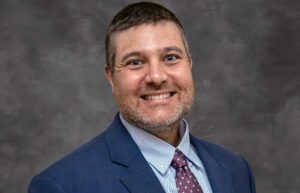

The field of neuroscience is seeing incredible advances, according to Kevin Williams, PhD, chair of the ObesityWeek 2026 Track 2: Neuroscience. “The recent identification of neural circuits and signals controlling metabolism and eating habits is changing how we think about obesity,” he said.
Those changes will be front and center for the Neuroscience track scientific programming during ObesityWeek, Dr. Williams added, with sessions that will highlight “where the science is headed, what we still do not understand, and how this biology may facilitate the research, care, and treatment of people living with obesity.”
The conference sessions on cutting-edge neuroscience research also come with an essential context—collaborative discussions that pair the basic science and clinical practice sides of obesity treatment.
“One of the things I really value about ObesityWeek is the range of science represented at the meeting,” said Dr. Williams. “It brings together researchers and clinicians from across the field for one week to share the most recent findings and to think about how they change understanding of the pathogenesis, the treatment, and the care for people living with obesity.”
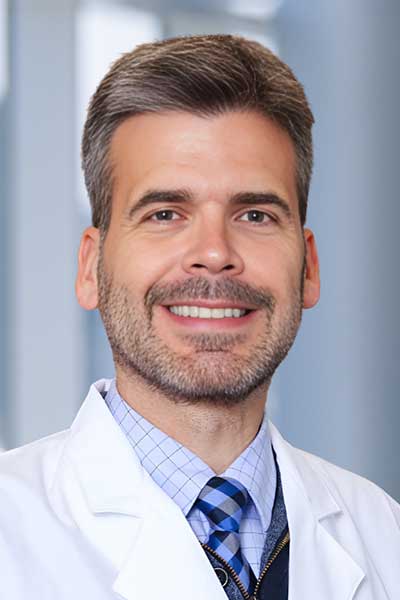
Julio Ayala, PhD, the Neuroscience Track co-chair, will be featured in the Nov. 17 cross-track clinical case workshop How to Measure Energy Balance and Interpret Data in Pre-Clinical Models in a Clinically Translational Way that bridges the pre-clinical and clinical fields. He said that both clinicians and researchers benefit from the collaborative programming.
“It’s important for clinicians to know where the field of therapeutics is heading with the next generation of drugs or mechanisms that can help their patients,” Dr. Ayala said. “For basic scientists, one of the main reasons to engage with this programming is because hearing the clinician perspective allows for a better understanding of how research can be adapted to fill important knowledge gaps affecting clinical care.”
A multidisciplinary approach to better understanding the role of body weight and adiposity across a person’s lifespan is at the core of the Nov. 14 symposium To Gain or Not to Gain, That is the Question – Is the Obesity Paradox a Shield or Sword as We Age? which (as with the track’s Nov. 14 Basic Science Blitz – Session 1 and Session 2) is cross-listed with the Metabolism and Integrative Physiology Track.
Many ObesityWeek 2026 Neuroscience sessions directly or tangentially address the impact of incretin-based therapeutics.
“These drugs have been dominating discussions of obesity, but it’s important to realize that we are still in relatively early days of fully understanding their impact,” Dr. Ayala said.
Drs. Ayala and Williams listed significant clinical issues where the effects of incretin-based therapies are observed but not fully explained. These include the regulation of food intake, which is addressed in the Nov. 16 symposium Though the Brain Be Noble, the Gut Is Not Silent: Neural Plasticity of the Gut-Brain Axis.
Sessions such as the Nov. 15 Key Lecture by Andres Acosta, MD, PhD, Why One Size Will Never Fit All: Biological Diversity in Obesity and Treatment Response, will also discuss what Dr. Williams describes as a fundamental challenge in incretin-based therapies—the heterogeneity of response.
Developmental programming will be the focus of the Nov. 16 symposium Marked Before We Draw Breath: How Parental Obesity Shapes the Brain and Body, and eating behavior will be examined in Much Ado About Eating – The Neurobiology of Eating Behavior, a multi-track collaborative session between The Obesity Society and the Society for the Study of Ingestive Behavior.
A personal perspective on a historic breakthrough will be shared at the cross-track Nov. 17 Key Lecture by Roger Cone, A Receptor by Any Other Name Would Signal as Sweet – How Melanocortin Receptors Reshaped the Genetics of Obesity, which highlights the discovery and evolution of melanocortin as a central regulator of body weight and energy balance.
Dr. Williams said the melanocortin story is an example of how discoveries in basic biology can accelerate the understanding and treatment of obesity.
“The hope is that the Neuroscience track programming and other sessions at ObesityWeek can help us put the pieces together,” Dr. Williams said. “So many times, I’ve seen how this conference allows investigators to discuss different types of issues, critique data, start developing collaborations, and come to bigger conclusions that advance the field even further.”
The most up-to-date ObesityWeek session details, including a listing of all dedicated and cross-listed Neuroscience track events, are available in the online program.
View the full ObesityWeek conference program at obesityweek.org. Symposium, plenary, Key Lecture, and oral session recordings will be available as part of ObesityWeek OnDemand beginning late January 2027. Purchase ObesityWeek OnDemand through conference registration by Nov. 17.
Complete Listing of Sessions for Track 2: Neuroscience
All listed times are in ET. All room locations are in the Gaylord National Resort & Convention Center. Events listed with an asterisk (*) signify that the event is cross-listed with other ObesityWeek 2026 program tracks. Listing is current as of Oct. 1, 2026.
Saturday, Nov. 14
- 10:30 am–12 pm | Potomac D456, Ballroom Level
Oral Session | Basic Science Blitz – Session 1* - 1–2:30 pm | Potomac D456, Ballroom Level
Oral Session | Basic Science Blitz – Session 2* - 3–4 pm | Potomac D456, Ballroom Level
Symposium | To Gain or Not to Gain, That is The Question – Is the Obesity Paradox a Shield or Sword as We Age?* - 7:30–8:30 pm | Exhibit Hall BCD
Special Event | Poster Session 1*
Sunday, Nov. 15
- 10:30–11:30 am | Potomac D456, Ballroom Level
Key Lecture | Key Lecturer Andres Acosta: Why One Size Will Never Fit All: Biological Diversity in Obesity and Treatment Response* - 12–1 pm | Annapolis, Ballroom Level
Section | TOS Neuroscience Section Meeting (TOS Members Only)
Monday, Nov. 16
- 8:30–9:30 am | Potomac AB, Ballroom Level
Non-CME Oral | Brian Biology, Gene Therapy, and Treatment Outcomes Oral Session* - 8:30–9:30 am | National Harbor 2-3
Symposium | Marked Before We Draw Breath: How Parental Obesity Shapes the Brain and Body* - 10–11:30 am | National Harbor 10-11
Non-CME Session | Early Career Lightning Talks* - 10–11:30 am | Potomac C123, Ballroom Level
Symposium | Though the Brain Be Noble, the Gut Is Not Silent: Neural Plasticity of the Gut-Brain Axis - 1:30–2:30 pm | National Harbor 2-3
Oral Session | Brain Biology, GLP-1 Response, and Adipose Tissue Function Oral Session* - 1:30–2:30 pm | Annapolis, Ballroom Level
Workshop | Early Career Workshop – Beyond Academia: Roadmap to What Comes Next* - 1:30–2:30 pm | National Harbor 10-11
Symposium | TOS/SSIB Collaborative Symposium: Much Ado About Eating – The Neurobiology of Eating Behavior*
Tuesday, Nov. 17
- 10–11 am | Potomac C123, Ballroom Level
Key Lecture | Key Lecturer Roger Cone: A Receptor by Any Other Name Would Signal as Sweet – How Melanocortin Receptors Reshaped the Genetics of Obesity*