Following the 2025 release of the 2025–2030 Dietary Guidelines for Americans (DGAs) by the U.S. Department of Health and Human Services and the U.S. Department of Agriculture, an ObesityWeek 2026 symposium will feature a panel to discuss these guidelines and how their recommendations, and the processes used to arrive at them, differ from previous versions.
Prior to the panel discussion, John A. Batsis, MD, FTOS, will receive the George L. Blackburn Award for Excellence in Obesity Medicine.
The Cornerstone of Federal Nutrition Policy
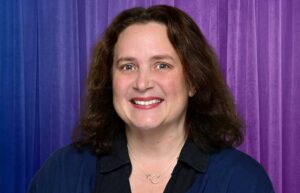
Aviva Musicus, ScD
“The Dietary Guidelines for Americans are more than just an educational tool. They are the cornerstone of federal nutrition policy,” said symposium moderator Aviva Musicus, ScD. “By law, all federal nutrition programs are required to promote the Dietary Guidelines for Americans. That makes the Dietary Guidelines one of the greatest levers to impact nutrition and health in the United States.”
The symposium’s panel discussion will bring together three experts to examine specific aspects of the DGAs.
Alice Lichtenstein, DSc, Gershoff Professor of Nutrition Science and Policy at Tufts University, a senior scientist and leader of the Diet & Chronic Disease Prevention for Healthy Aging directive at the Jean Mayer USDA Human Nutrition Research Center on Aging, and vice chair of the 2015 Dietary Guidelines Advisory Committee, will discuss the rigorous, transparent scientific process through which the guidelines typically have been developed and how the process changed for the development of the latest version.
Alyssa Moran, ScD, MPH, RD, deputy director at the Center for Food and Nutrition Policy at the University of Pennsylvania, will highlight the differences between the current DGAs and previous versions.
The Dietary Guidelines for Americans are more than just an educational tool. They are the cornerstone of federal nutrition policy.
— Aviva Musicus, ScD
Elizabeth Solomon, MS, RD, executive director of nutrition policies and programs in the Bureau of Chronic Disease Prevention for the New York City Department of Health and Mental Hygiene, will explain how programs required to meet the standards of the latest DGAs can implement them successfully for the people they serve.
Dr. Musicus noted that DGAs affect tens of millions of Americans who rely on federal food and nutrition assistance programs such as the National School Lunch Program (NSLP), the School Breakfast Program (SBP), the Special Supplemental Nutrition Program for Women, Infants, and Children (WIC), and the Child and Adult Care Food Program (CACFP). In a typical year, about a quarter of the U.S. population participates in at least one federal food program. In addition, the DGAs impact home-delivered meals and congregate meal sites that serve millions of meals to seniors in the United States each year.
Dr. Musicus emphasized the importance of clinicians and dietitians being familiar with the changes in federal guidelines because they affect “the information their patients are receiving and potentially also their patients’ diets if they participate in federal nutrition assistance programs.”
The Blackburn Award
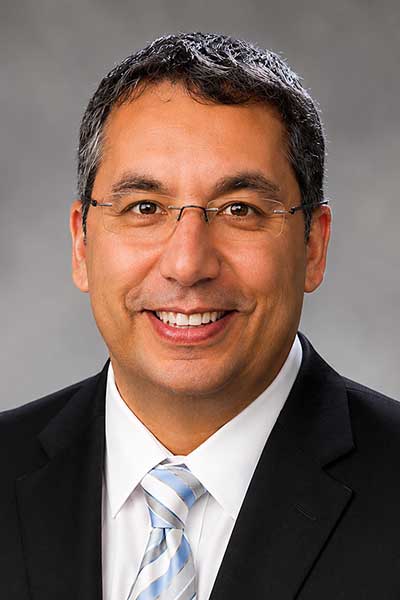
John A. Batsis, MD, FTOS
Dr. Batsis, tenured associate professor at the University of North Carolina at Chapel Hill in the Division of Geriatric Medicine and the Department of Nutrition in the Gillings School of Global Public Health, has researched how obesity and its treatment affect health and function in later life. His clinical and research program focuses on the relationships between body composition, skeletal muscle, physical function, and maintaining independence with the goal of developing treatments that both improve health and maintain physical function and muscle in older adults.
Named after one of the founders of nutrition medicine, the George L. Blackburn Award was created to recognize the outstanding contribution of an exceptional mid-career individual who is making significant and innovative contributions in obesity medicine.
In a letter nominating Dr. Batsis for the Blackburn Award, his colleagues in the Department of Nutrition also cited his years of leadership in The Obesity Society and the obesity medicine community. They highlighted his service as a mentor as well as his work to recognize obesity in older adults as a scientific and clinical priority and to integrate aging-related obesity science into the general discourse of obesity medicine by developing scientific programming, and fostering interdisciplinary collaboration.
I hope this recognition also reflects how far the field has come in recognizing the importance of obesity, muscle health, and function across the lifespan.
— John A. Batsis, MD, FTOS
“Through his scholarship, leadership, and translational vision, he has helped define modern geriatric obesity medicine and continues to shape its future during a transformative era in obesity therapeutics,” his colleagues wrote.
Dr. Batsis earned his undergraduate degree from McGill University and medical degree from Trinity College, Dublin, in 2002 before completing his post-graduate training in Internal Medicine and Geriatrics at Mayo Clinic in Rochester. Throughout his career as a researcher and a clinician, Dr. Batsis has emphasized the need to not just focus on weight loss but also on how treatments for obesity affect mobility, physical function, and healthy aging.
Dr. Batsis said that receiving the Blackburn Award was especially meaningful because TOS has provided an important professional home throughout his career. With TOS, Dr. Batsis has served as a member of the Program Committee, chair of the Clinical Research Track, and chair of the Clinical Science Section.
“I am deeply grateful to the colleagues, collaborators, mentors, and trainees who have shaped my work, and I hope this recognition also reflects how far the field has come in recognizing the importance of obesity, muscle health, and function across the lifespan,” he said.
ObesityWeek 2026 Goes Hybrid
Recognizing many conference registrants were affected by flight interruptions across the United States, ObesityWeek 2026 has transitioned to a hybrid meeting format, allowing participants to stay connected and access scientific content.
Registered attendees can view sessions live through the conference app or by using the desktop link below (go to the session listings and click the Watch Live button for a chosen session). Live sessions are available during their scheduled program times; replay recordings will be available as part of ObesityWeek OnDemand beginning late January 2027. Purchase ObesityWeek OnDemand through conference registration by Nov. 17.